
The Growing Interest in African Art: Artists, Markets, and Investment Opportunities
The global art market is experiencing a profound shift as collectors and investors increasingly turn their attention to African art. What was once considered a niche category has emerged as one of the most dynamic and promising segments of the contemporary art world, driven by exceptional artistic talent, cultural significance, and compelling investment fundamentals.

The Market Momentum
The African art market has witnessed remarkable growth, with collectors increasingly aware of the investment value of works by both established and emerging African artists. Between 2020 and 2023, sales of ultra-contemporary works by African-born artists jumped dramatically, reaching $40.6 million in 2021 from $16.2 million the year prior, demonstrating the market’s explosive potential.
Africa is experiencing the fastest growth in its millionaire population worldwide, with estimates suggesting it will double to reach 768,000 by 2027. This expanding wealth base, combined with a burgeoning collector class bolstered by bankers and industrialists from Africa’s biggest economies, is creating sustained demand for African art both domestically and internationally.
Spotlight on Key Artists and Their Achievements
Ben Enwonwu: The Father of Nigerian Modernism
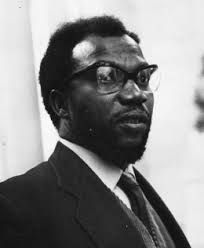
Benedict Chukwukadibia Enwonwu (1917-1994) stands as the foundational figure of modern African art. Ben Enwonwu’s work has been offered at auction multiple times, with realised prices ranging from 4 USD to 1,661,638 USD. His masterpiece “Tutu” achieved legendary status when the record price for this artist at auction was 1,661,638 USD for Tutu, sold at Bonhams New Bond Street in 2018.
Anyanwu, Enwonwu’s magnum opus created in 1954-55 as a commission for the Nigerian government, symbolises the powerful earth goddess Ani and has become something of an auction favourite, fiercely fought for in sales and typically fetching hundreds of thousands of pounds. The sculpture represents both artistic excellence and cultural significance, embodying Nigeria’s independence aspirations.
El Anatsui: Master of Material Transformation+

Ghanaian sculptor El Anatsui has revolutionised contemporary art through his innovative use of everyday materials. El Anatsui’s Used Towel 1999 set new auction prices, with the carved, incised, and painted wood measuring 81 x 250 cm selling for £176,500, establishing a new record at auction for a wooden sculpture by the Ghanaian sculptor. His bottle-cap sculptures, which appear as shimmering textiles from afar, have achieved significant market recognition, with works estimated in the hundreds of thousands
Amoako Boafo: The Contemporary Phenomenon

Perhaps no artist better exemplifies the meteoric rise of African art than Ghanaian painter Amoako Boafo. Boafo went from struggling to sell works for $100 apiece in Accra to becoming the art market’s biggest star, with one portrait selling at auction for an astonishing £675,000 ($880,971)—more than 13 times its high estimate.
Artist Kehinde Wiley discovered Boafo’s Instagram page and reached out to buy a work, promptly sending an email to his four galleries tipping them off to what he thought was a real find. This endorsement catalysed Boafo’s rapid ascent, culminating in museum acquisitions and collaborations with luxury brands like Dior.
The Price Revolution: A Decade of Growth
The transformation in African art valuations over the past decade has been nothing short of remarkable. For the second successive year, a painting by the late Ben Enwonwu fetched the equivalent of over a million dollars at auction, with his portrait Christine selling for £1.1m ($1.4m) at Sotheby’s, London.
After emerging African artists sold up to $65 million at auction since 2019, it is clear that contemporary African art, particularly by young and talented artists, has rapidly increased in popularity and desirability. This growth trajectory reflects both increased global recognition and the maturation of collecting practices within Africa itself.
Over 70% of buyers at Bonhams’ recent designated auctions were African, while Enwonwu’s Tutu was purchased by a Nigerian and is reportedly back in the West African nation, demonstrating the significant role of African collectors in driving market demand.
Investment Portfolio Benefits and Diversification
Portfolio Diversification Advantages
African art offers compelling diversification benefits for investment portfolios. Collecting African art allows investors to diversify their portfolios, reducing risk and potentially enhancing returns. Unlike traditional asset classes that often move in correlation, art markets can provide independent performance characteristics.
Art and collectibles have become one of the fastest-growing segments of wealth in the world, with wealth linked to art and collectibles for ultra-high-net-worth individuals approximated at $2.174 trillion USD in 2022, projected to reach nearly $3 trillion by 2026.
Unique Investment Characteristics
Art investments offer several distinctive advantages:
Inflation Protection: Tangible artworks can serve as hedges against inflation, maintaining purchasing power over time as currencies fluctuate.
Cultural Capital: Beyond financial returns, art investments provide cultural enrichment and social prestige, offering both aesthetic pleasure and networking opportunities within collector communities.
Limited Supply: Unlike stocks or bonds, masterworks exist in finite quantities, creating scarcity value that can drive long-term appreciation.
Market Independence: Art exhibits different risk and return characteristics to conventional investments in other asset classes, potentially providing stability during traditional market volatility.
Strategic Considerations
Due to its high-risk nature, artwork should be a part of a diversified investment portfolio rather than the sole focus of one’s financial strategy. Successful art investing requires expertise, patience, and genuine appreciation for the aesthetic and cultural value of the works.
Just like with any investment portfolio, diversification is key in art investment. A well-rounded art portfolio should include a mix of different periods, styles, and mediums, spreading risk across various artistic movements and price points.
Market Maturation and Future Outlook
The African art market is undergoing a significant maturation process. This period of transition is likely to give way to a phase of consolidation, supported by continued demand and strong commitment from museums, galleries and auction houses who work tirelessly to promote African creation on the global stage.
Despite the prevailing economic climate, the outlook for the African art market remains positive, with projections of steady growth underpinned by the dynamic contemporary scene. Institutional recognition continues to expand, with major museums worldwide incorporating African artists into their permanent collections and exhibition programmes.
Conclusion
The growing interest in African art represents more than a market trend—it signals a fundamental shift in global cultural recognition and economic opportunity. From Ben Enwonwu’s pioneering modernism to Amoako Boafo’s contemporary innovations, African artists are creating works of profound artistic merit and significant investment potential.
For investors seeking portfolio diversification, African art offers unique advantages: exposure to a rapidly growing market, cultural enrichment, and the opportunity to support important artistic voices. As wealth continues to grow across the African continent and global appreciation for African artistic traditions deepens, the investment case for African art appears increasingly compelling.
The convergence of exceptional artistic talent, expanding collector bases, and institutional recognition positions African art as a significant force in the global art market. For those with the expertise and patience to navigate this dynamic sector, African art presents an opportunity to participate in both cultural preservation and wealth creation on a truly historic scale.


beautiful article